It happens to pretty much everyone when they get into 3D printing. You nail a great print, you stick it outside - on the fence, under the deck, bolted to the letterbox - and a few months later it's discoloured, warped, or just falling apart. You blame the printer. You blame your settings. But the culprit? Probably PLA.
PLA is brilliant for indoor prints. It's easy to work with, prints beautifully, and you'll find it in practically every spool drawer in NZ. But UV light and heat are its kryptonite. NZ sun is particularly rough on it - we've got some of the highest UV index readings in the world, and PLA just wasn't built for that.
ASA is the one you want outdoors
ASA (Acrylonitrile Styrene Acrylate) is a material specifically designed for outdoor use. It handles UV well, doesn't discolour or become brittle in the sun the way PLA does, and tolerates a decent range of temperatures without warping or softening. If you've got something that needs to actually survive outside - think camera mounts, garden markers, drain channel clips, letterbox numbers, gate latches - ASA should be your first choice.
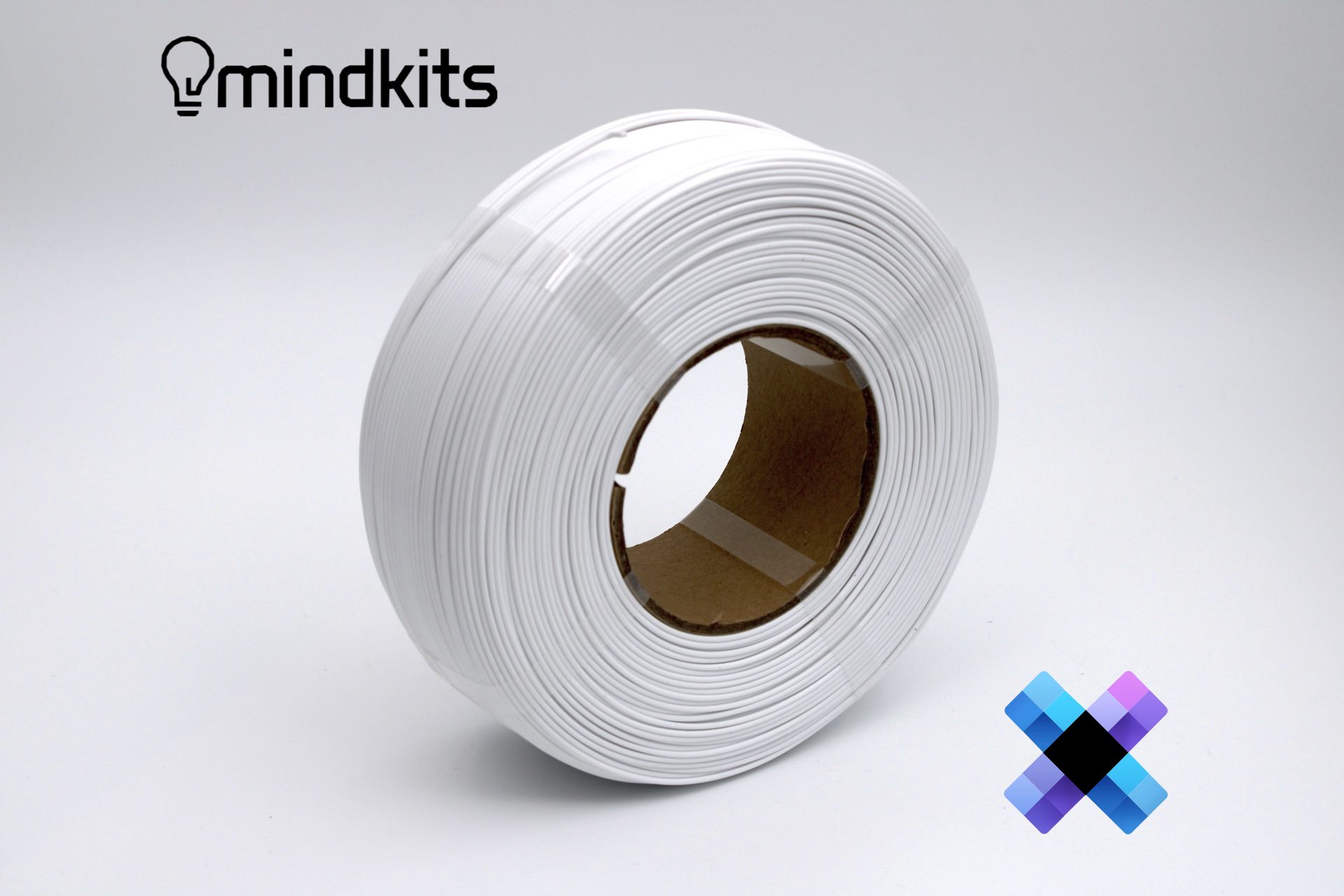
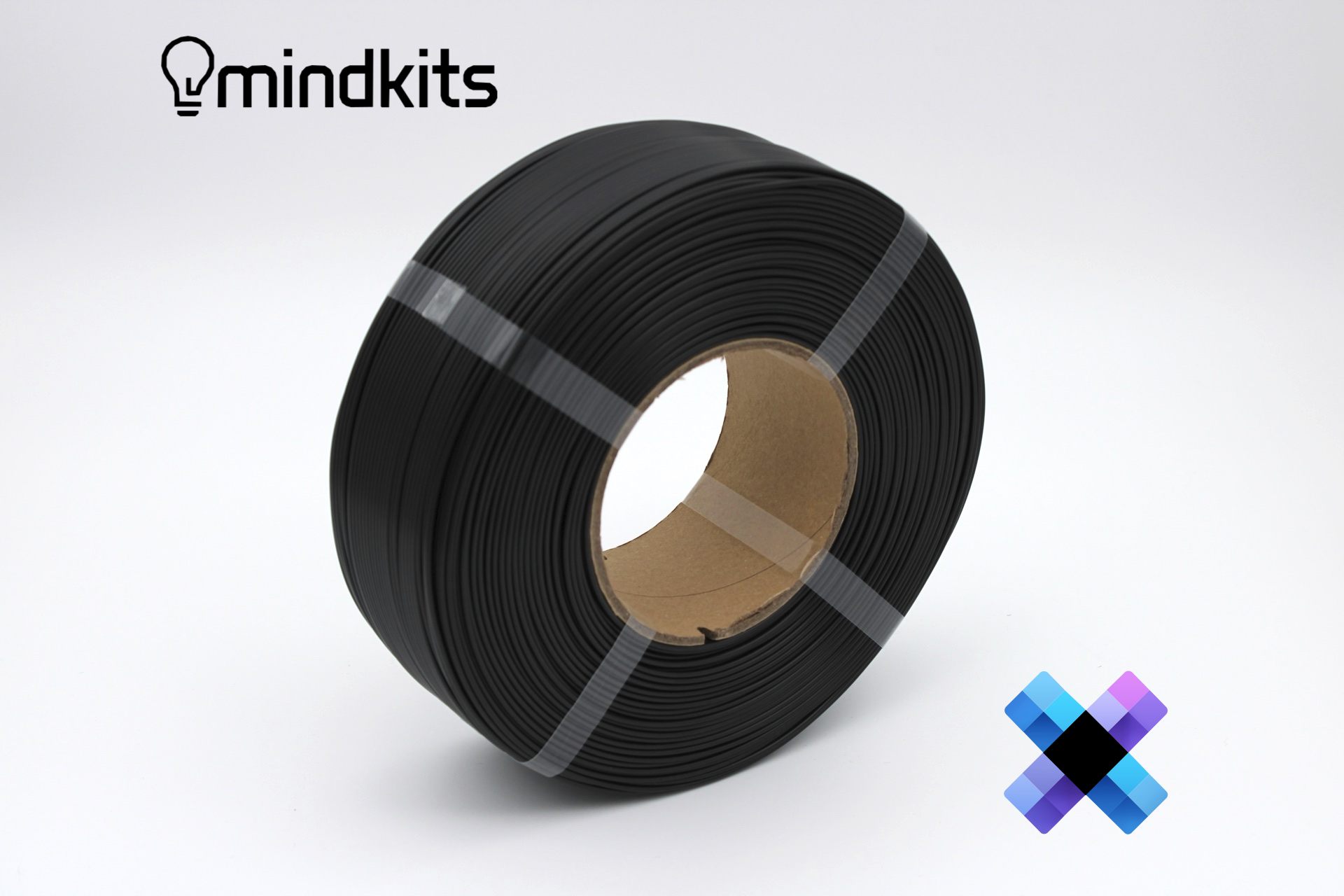
We've added Pixel Filament ASA to the lineup in two colours: CryoFrost (white) and Singularity (black). Both available as refills ($25/kg) or with a reusable spool ($28/kg).
How does it print?
ASA prints a lot like ABS - which is good, because it also doesn't have ABS's reputation for warping everywhere if you look at it wrong. You'll want a slightly higher bed temp than PLA, somewhere around 90-100°C, and an enclosure helps if you've got one. Nozzle temps in the 230-250°C range are the sweet spot.
If you're printing on a Bambu Lab with an AMS, just swap in your ABS profile and you're most of the way there. Works great on the P1S and X1C which have enclosed chambers. The A1 Mini can work too - just give it some time to get the bed warm and avoid big drafts.
One thing worth knowing: ASA does off-gas a bit during printing, so if you're printing indoors in a small space, some ventilation is a good call. Not a big deal in a workshop or garage, but worth being aware of in a bedroom or home office setup.
PETG is another solid option
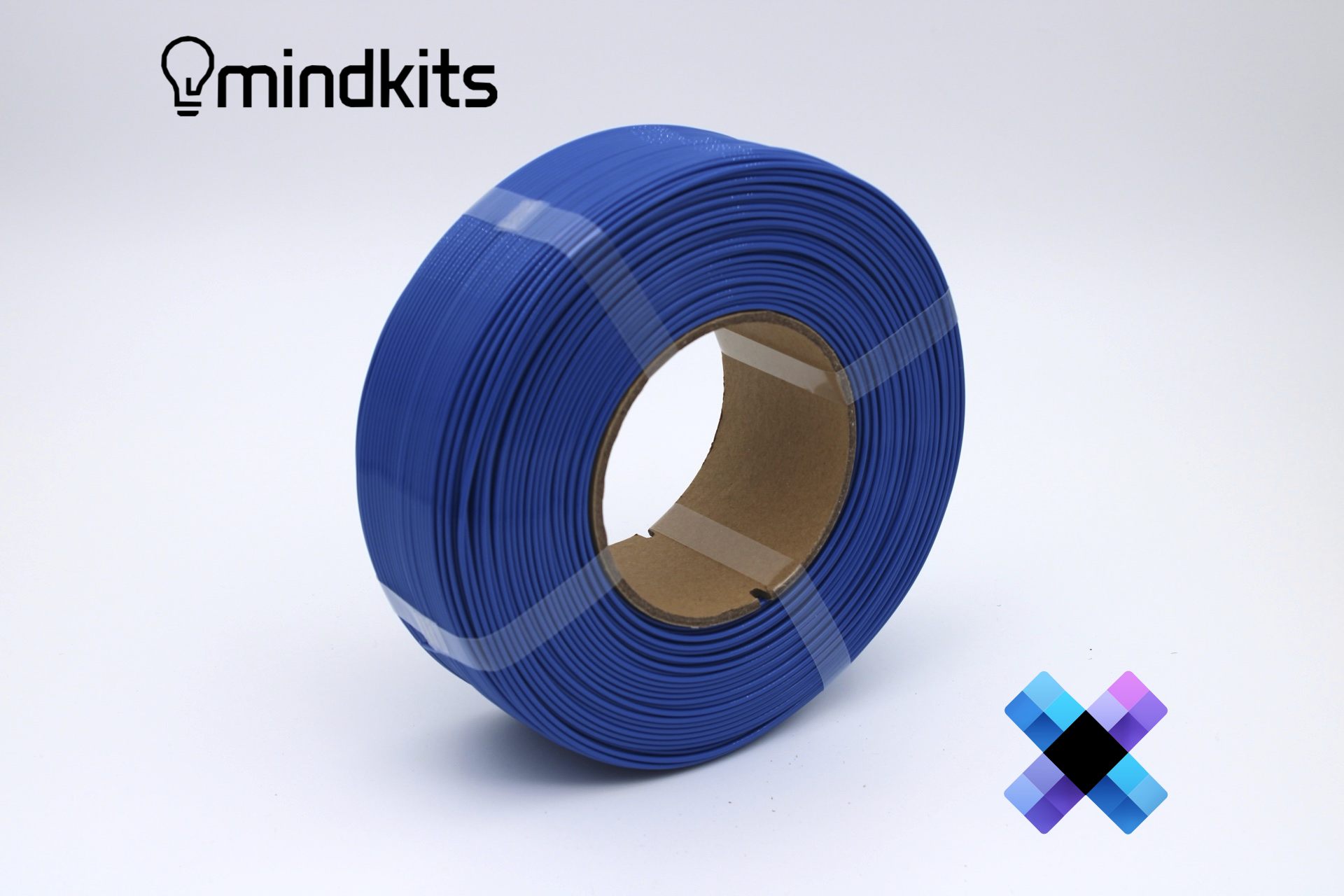
If you want something a bit easier to print than ASA and still a step up from PLA for semi-outdoor use, Pixel's Hyper PETG is worth looking at. It's not quite as UV-resistant as ASA, but it handles moisture and mild outdoor exposure really well. Great for things like plant pot holders, outdoor cable trunking, weatherproof enclosures. Prints almost as easily as PLA+. We've got it in BSOD Blue and a few other colours.
TL;DR - match the material to the job
PLA for indoor stuff. ASA for proper outdoor exposure (UV, heat, rain). PETG sits somewhere in between and is a great all-rounder. All three are in the Pixel range, all made from quality polymers, and all backed by our no-quibbles returns policy - if it doesn't print the way it should, we'll sort it out.
Check out the full Pixel Filament range here: mindkits.co.nz/Pixel-Filament2