
Hi, it's Jase here from MindKits. A fair chunk of the support chats I get go something like this: "I printed a bracket in PLA, it looked great, then it bent / cracked / sagged in the car." Nine times out of ten the print was fine. The material just wasn't the right one for the job.
So let's talk about Pixel PETG-CF, because it's the stuff I reach for when a part has to hold its shape.
What it actually is
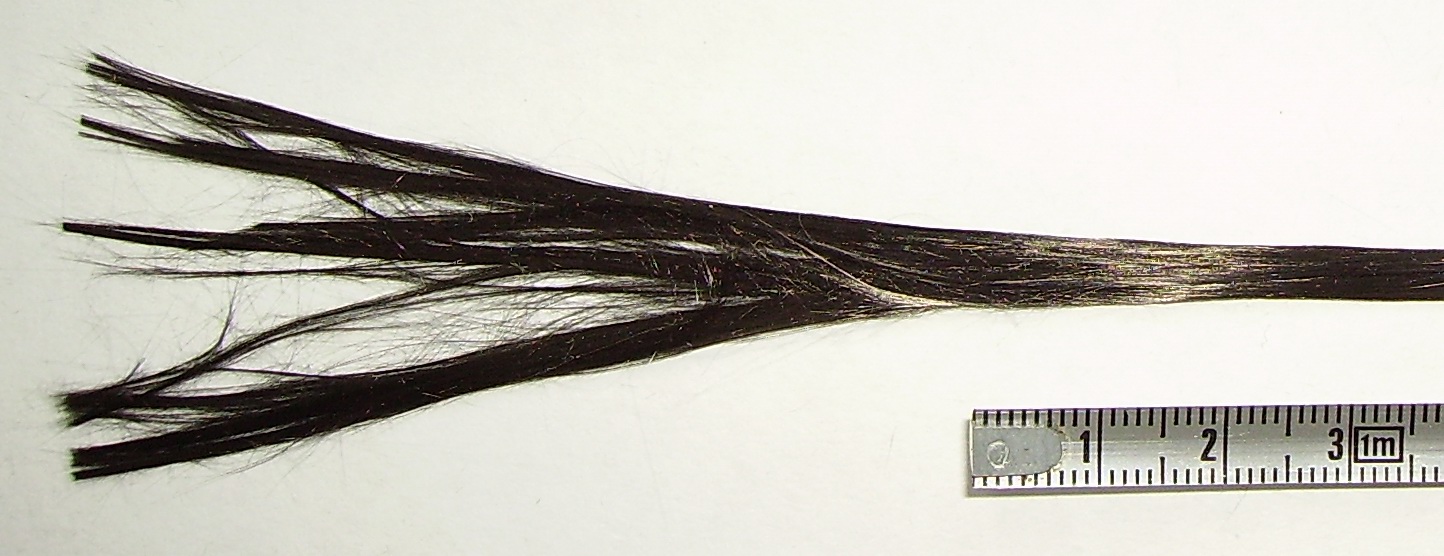
It's PETG with short chopped carbon fibres mixed through it. The fibres make the part a lot stiffer than plain PETG, so a thin bracket doesn't flex the way it would otherwise. You also get a dark, matte, slightly technical-looking finish that hides layer lines really well. Prints look more like a moulded part than a 3D print.
It's still PETG underneath, so it's tougher and handles heat better than PLA. Think tool holders, drill jigs, camera and sensor mounts, enclosure brackets, the clip that keeps snapping on your ute's tonneau cover. Proper functional stuff.
Price and stock
The 1kg refill is $34.99 and we've got it on the shelf in Auckland. The version on a reusable spool is out of stock at the moment, so if you've already got an empty Bambu-style reusable spool lying around, the refill's the way to go anyway - cheaper, and less plastic headed for the bin.
Tolerance is ±0.03mm on 1.75mm, same as the rest of the Pixel range, so it feeds through an AMS without any mucking about.
The catch (and it's a real one)
Carbon fibre is abrasive. It's basically very fine sandpaper going through your hotend. A standard brass or stainless nozzle will wear out, sometimes surprisingly quickly, and you'll notice it as under-extrusion and lines getting thinner over time.
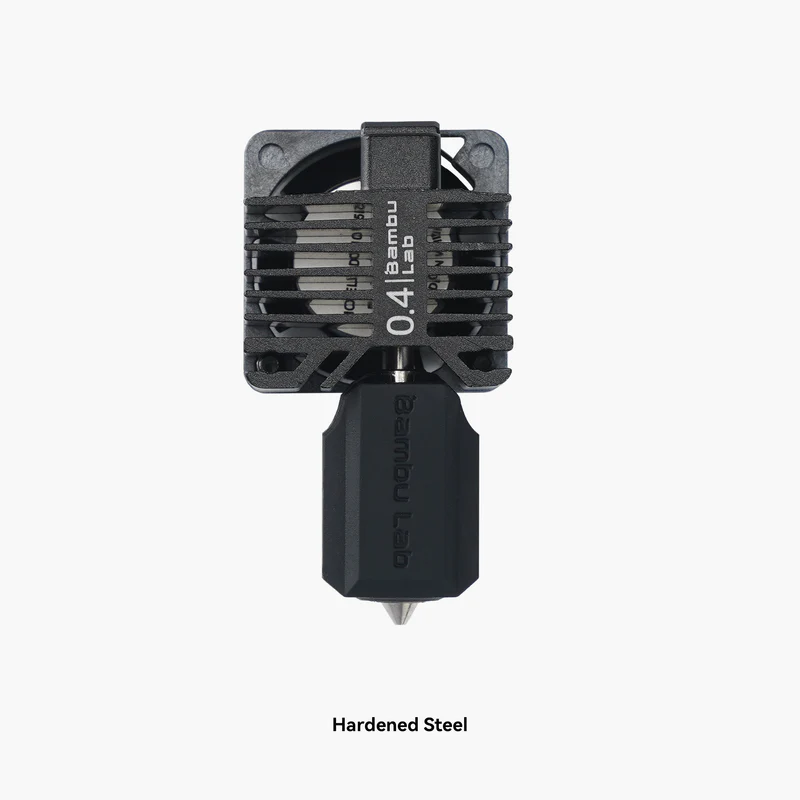
The fix is simple: use a hardened steel nozzle. A lot of the newer Bambu machines ship with one, and for older machines you can swap in a hardened steel hotend, which we stock locally. If you're not sure what's in your printer, send us your model and we'll check it for you. Takes two minutes.
A couple of tips from the bench
Dry it first. PETG soaks up moisture, and our damp NZ air doesn't help. Wet PETG-CF strings, pops and goes fuzzy. A few hours in a dryer before a big print makes a heap of difference.
Use a textured PEI plate if you've got one, or a light layer of glue stick on smooth plates. PETG can grip smooth PEI so hard it pulls chunks out when you take the part off.
Slow down a touch on outer walls. You'll get a cleaner finish and the matte look really comes through.
That's it really. If you've got a part that keeps failing in PLA, give PETG-CF a go and let me know how you get on. And if you print something cool with it, send us a pic - I'm always keen to see what people make.
Cheers,
Jase