So you've finally decided to take the plunge into 3D printing. But as you browse through options, one question keeps coming up: should you go with an enclosed or open printer? It's a bigger decision than you might think, and getting it wrong could limit your projects before you even get started.
Let's break down the key differences and help you choose the right printer for both your current needs and future ambitions.
The Basics: Open Frame vs. Enclosed Explained
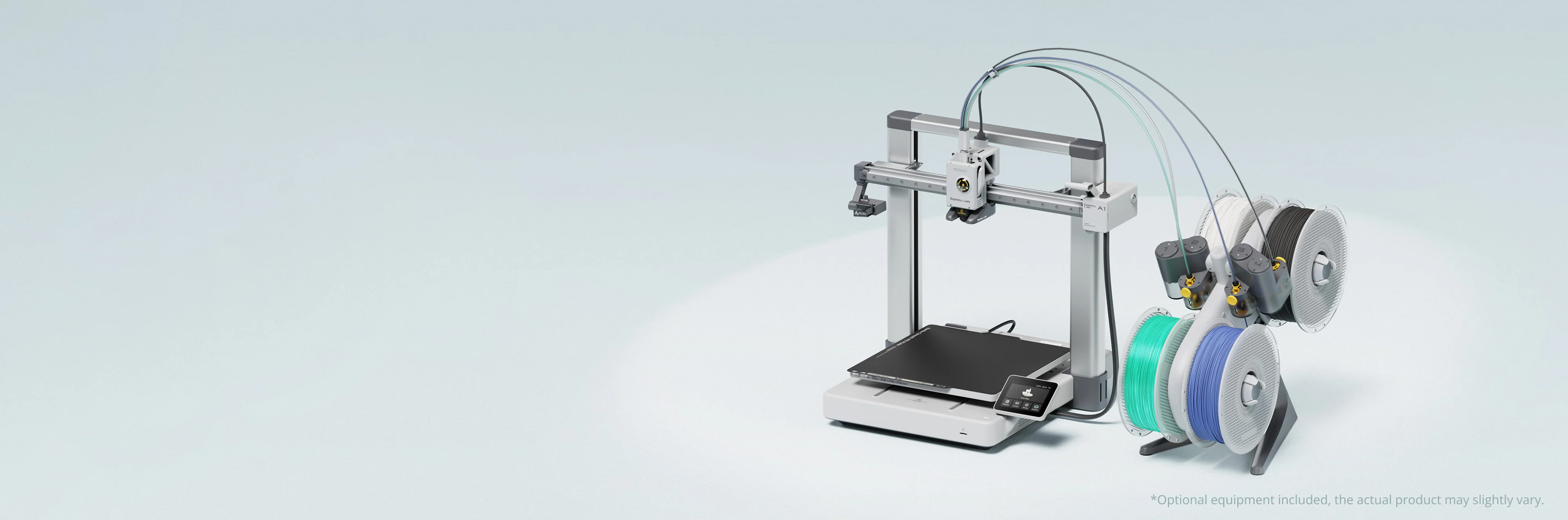
Open 3D printers have no walls around the printing area - everything's exposed and accessible. The Bambu Lab A1 is a great example, offering excellent reliability and ease of use, but your prints are subject to room temperature changes and air currents.
Enclosed 3D printers surround the print area with walls and a lid, creating a controlled environment. The Bambu Lab X1 Carbon exemplifies this approach, maintaining stable conditions regardless of what's happening in your room.
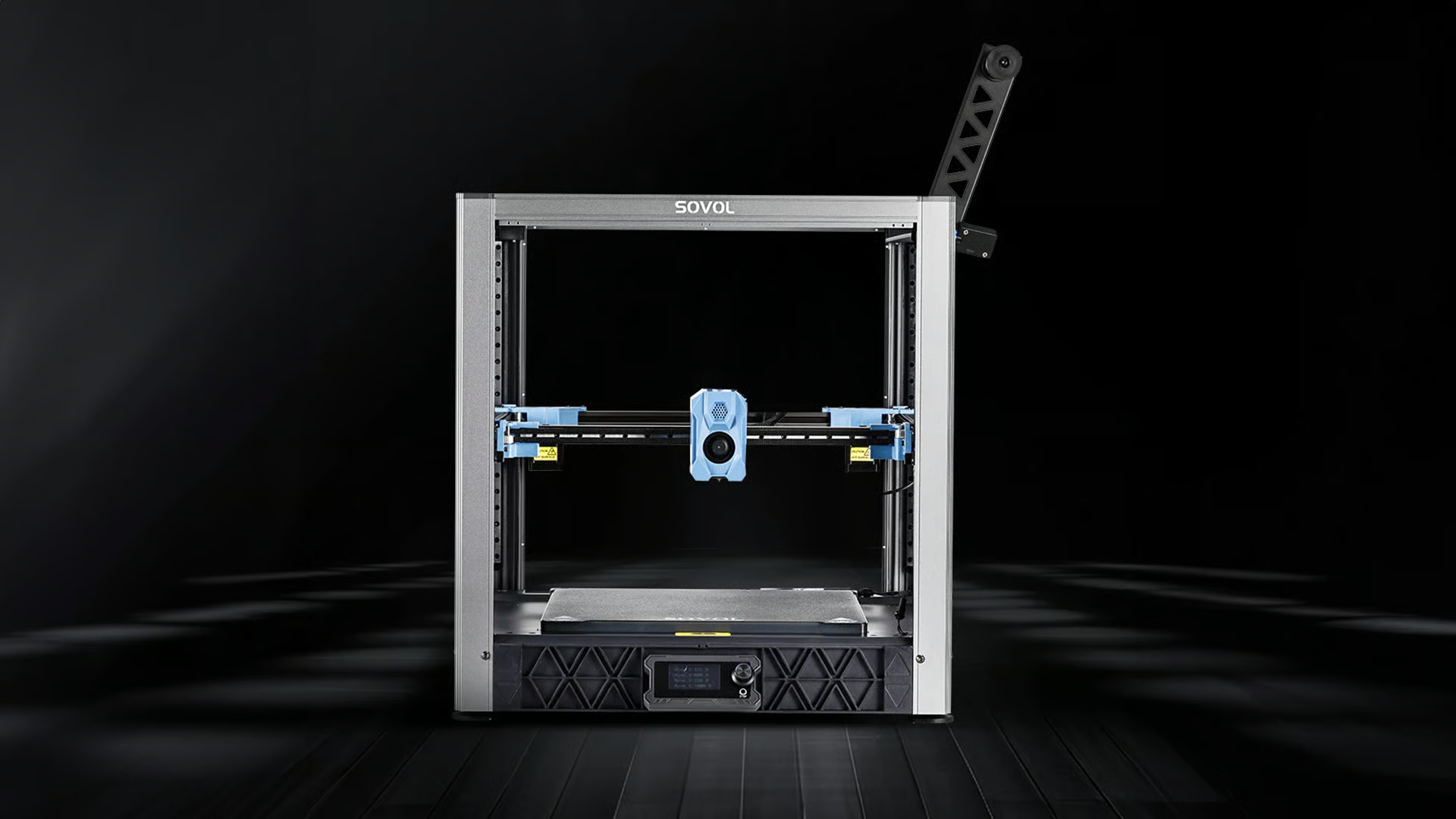
Upgradeable options like the Sovol S8 start as open printers but can have enclosures fitted later – giving you flexibility to upgrade when your needs change.
The Long-Term Perspective: Why Your First Choice Matters
Here's where many new users make a costly mistake: they buy based only on immediate needs. The Bambu Lab A1 might seem perfect for beginners - it prints PLA and PETG beautifully with excellent reliability. But what happens when you want to print functional parts that need to withstand heat? Or when you decide to start selling custom items online?
Suddenly, that "perfect beginner printer" becomes a limitation. You'll find yourself researching upgrades or replacement printers sooner than expected.
Why Enclosures Make a Real Difference
Temperature Control
The biggest advantage of enclosed printers is consistent ambient temperature. Room drafts, seasonal changes, and air conditioning can all affect print quality on open machines. Enclosed printers like the Bambu Lab X1 Carbon maintain stable conditions, leading to more predictable results.
Material Compatibility
Want to print durable parts that won't deform in a hot car? You'll need materials like ABS or ASA. These engineering plastics require consistent temperatures to prevent warping – something open printers struggle with. The Bambu Lab H2 Series takes this even further with its actively heated chamber, handling the most demanding materials with precision temperature control.
Better Success Rates
Failed prints waste time and materials. Enclosed printers significantly reduce failures caused by environmental factors, making your printing sessions more productive and less frustrating.

Matching Printers to Your Space
Open Printers Work Well When:
- You have a dedicated, temperature-stable room
- You're primarily printing PLA for decorative items
- You need easy access during prints
- Budget is the primary concern
The Bambu Lab A1 excels in these situations, offering excellent reliability and user-friendly features in an open design.
Enclosed Printers Shine When:
- Your workspace temperature varies (garage, basement, spare room)
- You want material flexibility
- Print quality consistency matters more than easy access
- You're thinking about future projects beyond basic plastics
Our Recommendations
Testing the Waters: Bambu Lab A1 Series
Perfect if you're exploring 3D printing as a hobby. It offers excellent reliability and user-friendly features in an open design. Just know you might want to upgrade for advanced materials later.
Ready to Commit: Bambu Lab P1 and X1 Series
The P1S and X1 Carbon offer the material flexibility and consistency to handle whatever projects you throw at them. It's an investment that grows with your skills and ambitions.
Maximum Value: Sovol S8
Need big prints with upgrade potential? The S8 delivers serious build volume and is compatible with an enclosure later when you're ready to tackle advanced materials.
Professional Applications: Bambu Lab H2 Series
When reliability and advanced material capability are non-negotiable. The actively heated chamber handles demanding engineering materials with precision that other printers can't match.
Making Your Decision
The choice ultimately depends on your goals and workspace. If you're confident you'll stick to basic materials and have a stable environment, an open printer offers great value. But if there's any chance you'll want to explore engineering materials or start a side business, investing in an enclosed printer saves money and frustration in the long run.
Still not sure which direction to go? That's exactly why we're here. At MindKits, we help customers navigate these decisions every day. We'll discuss your specific situation, space, and goals to recommend the printer that makes the most sense for your journey.
Get personalized recommendations from our team - we'll help you choose the printer that fits your needs and grows with your ambitions.