In the second episode of the MindKits Kiwicast, host Tim sits down with Kevin Waugh, founder of Questionable Research Labs, to explore the power of community-driven maker spaces, the importance of letting kids experiment and fail, and how anyone can start a creative movement—even with limited resources.
A Playground for Curious Minds
Questionable Research Labs operates from the old library at Tikipunga High School, providing what Kevin describes as “an adventure playground for science, tech, and design type stuff.” He emphasizes that pain and disaster are part of having fun:
“Pain and disaster are part of having fun; it’s like an adventure playground compared to a safe playground. We’re the adventure playground for science, tech, design type stuff and you don’t want it too safe.”
The lab’s origins go back to 2016 with a small coding club called Technohackers, which quickly outgrew its space and evolved into a bustling hub for young makers. After several moves—including a stint in a large downtown building and a period of “dark ages” without a home—the lab now thrives in its current school setting, fostering a vibrant, youth-oriented community.
Why Maker Spaces Matter
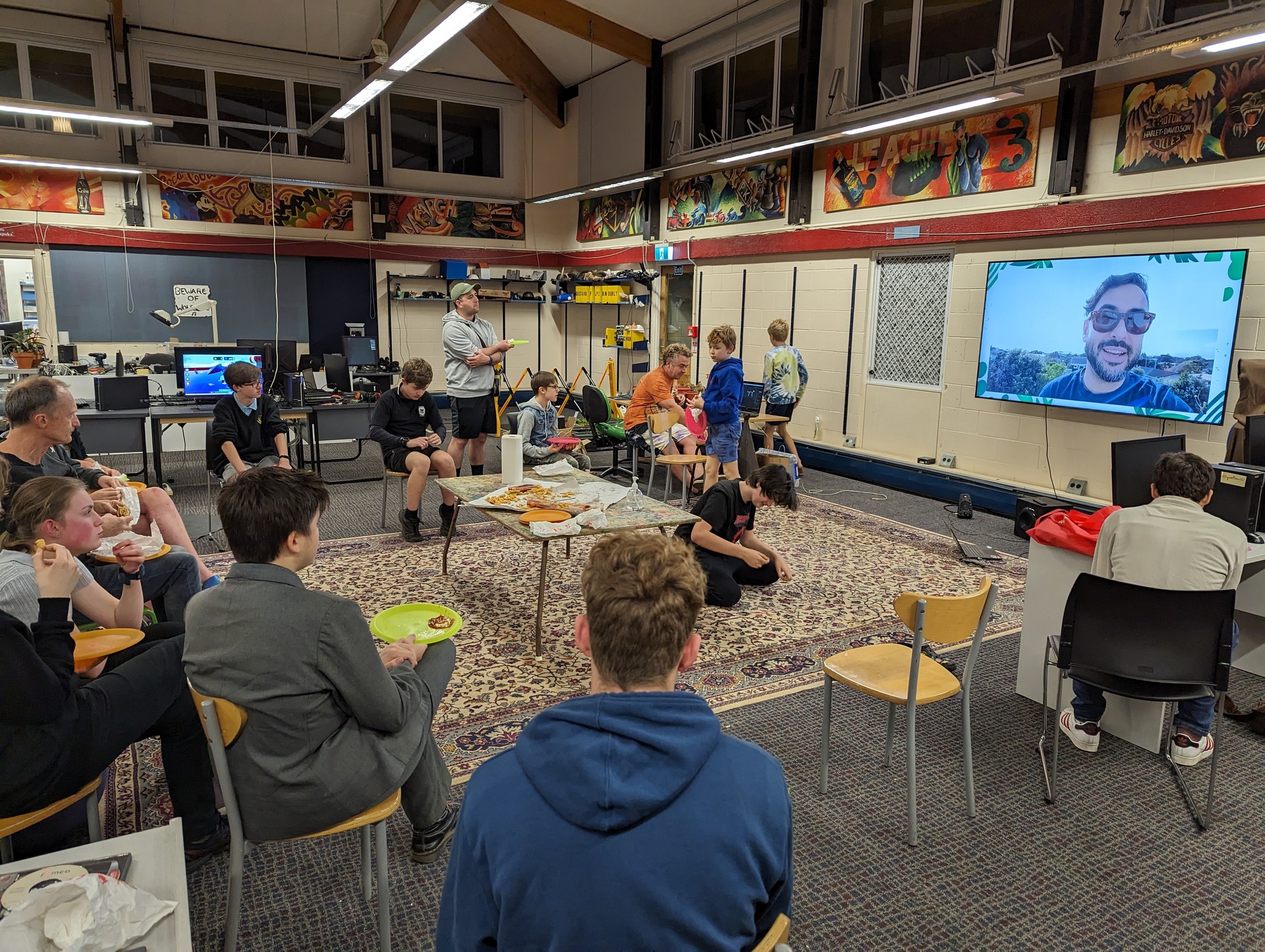
Photo from Questionable Research Labs Facebook Page
Kevin believes the real value of a maker space lies in its community:
“It’s really about community. The fundamental thing—you have lots of sports clubs and other spaces for people doing creative arts, but people who are cognitive, curious about the world, like making stuff, inventing things, playing with ideas… having a space to be with other people like that, that’s really about community of geeks fundamentally.”
He stresses that the culture at Questionable Research Labs is intentionally experimental and open-ended.
“Everything we do here is experimental. Any group that we run, we’re trying ideas out, throw stuff at the wall, see how that goes. We have stuff that doesn’t work and we like my science group is the one that I most enjoy running. I’m really explicit with the kids that stuff doesn’t always work.”
Embracing Failure as a Superpower
A key philosophy at the lab is to let kids take risks and learn from mistakes.
“We’ll work really hard to make sure we don’t cause permanent harm to the kids… but we won’t stop them burning themselves with a hot glue gun or soldering iron. Pain and disaster are part of having fun.”
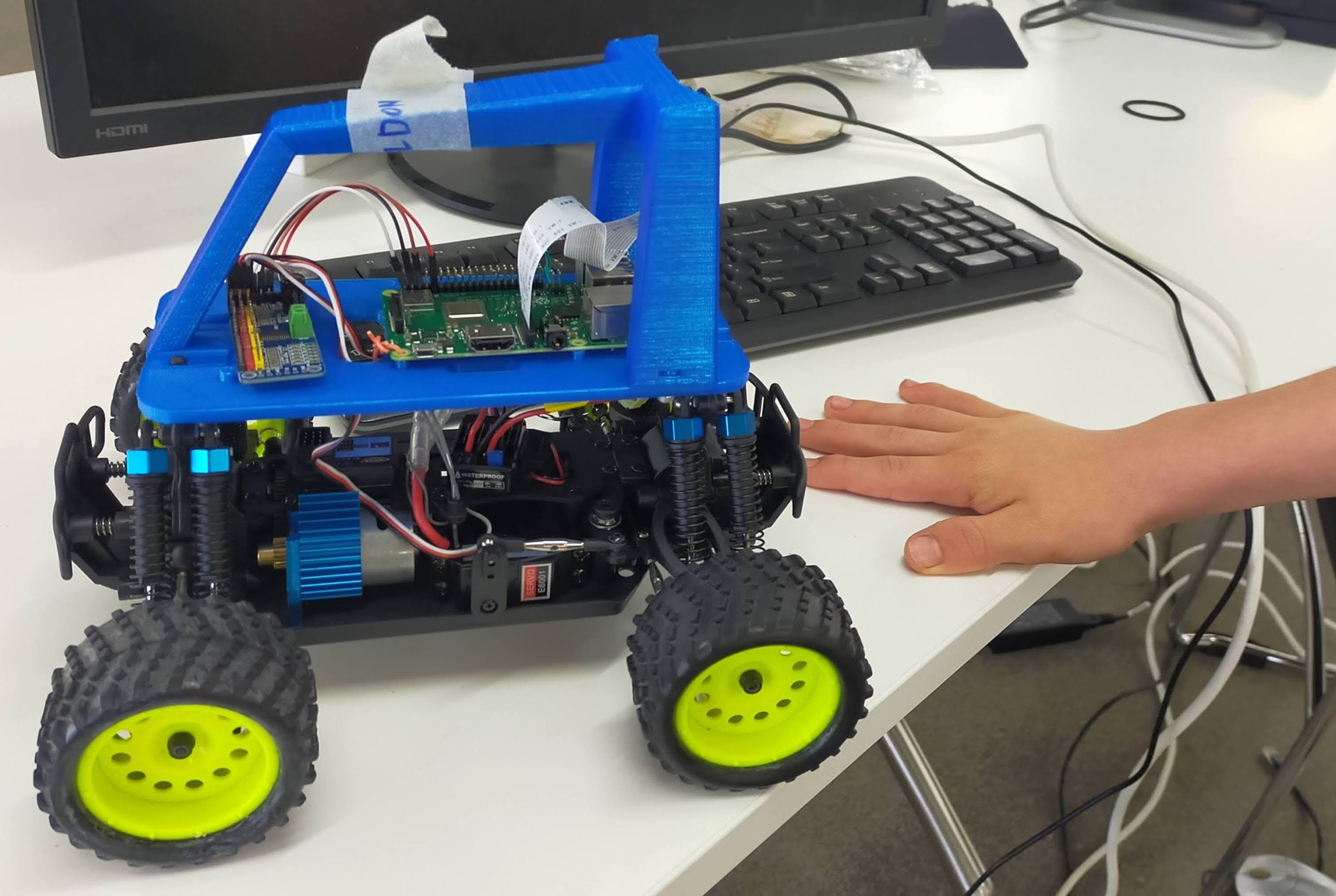
Photo from Questionable Research Labs Facebook Page
Kevin contrasts this with traditional education, where lessons are designed to work perfectly and failure is often avoided. In the maker space, the process is just as important as the outcome:
“If you’re having fun doing stuff, you’re probably on the right track… If they’re having fun learning and forget that it’s about learning, then that’s got to be mission accomplished.”
How to Start Your Own Maker Space
For parents and adults who want to foster creativity but lack access to a formal maker space, Kevin’s advice is clear:
“A maker space can be made—that’s the first rule. Get a couple of kids together, start it yourself, find a space, find a community room, get another parent. You don’t have to know much; you just have to foster the kids playing with this technology.”
He emphasizes that community is the foundation—once you gather a few curious minds, activities and learning naturally follow.
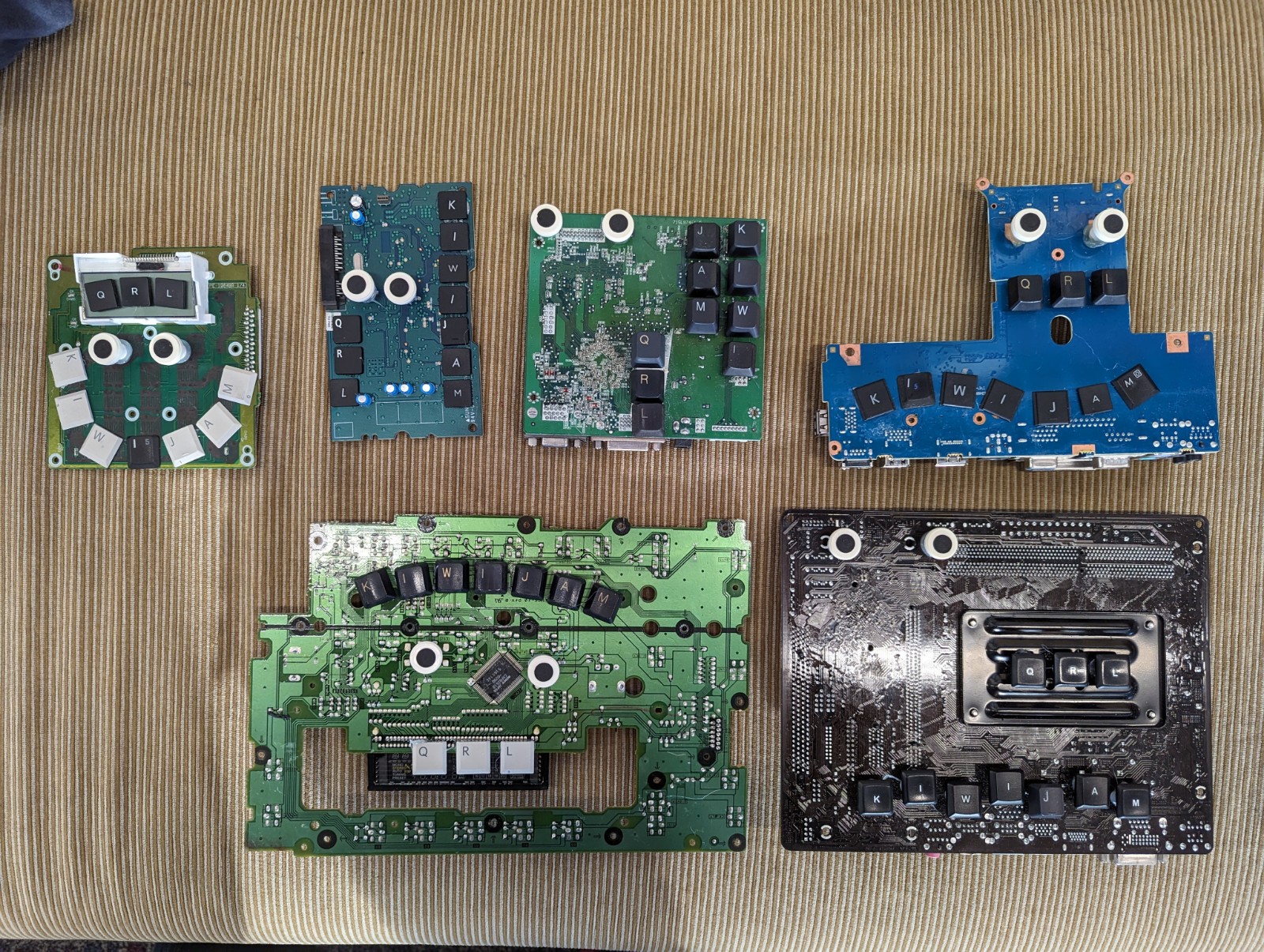
Photo from Questionable Research Labs Facebook Page
The Power of Neurodiversity and Mental Health
Kevin observes that maker spaces attract a diverse range of young people, including many who are neurodiverse:
“If I looked at the participants in this lab, I’d say probably… there’s a huge amount of neurodiversity. Some of them fly in school but some of them struggle. But in a space like this, where they can do stuff without fear, without demands, with fun, and it’s in their interest, then they do really well.”
He notes that the freedom to experiment and the support of a like-minded community help kids develop resilience, teamwork, and the confidence to try new things—skills that serve them well beyond the lab.
Tools for Making and Learning
Inspired to start tinkering? MindKits.co.nz offers a wide range of tools and kits perfect for young makers and educators, from 3D printers and robotics kits to coding platforms and electronics. These resources can help you create your own adventure playground for science and technology, whether at home, in a school, or in your community.
3D Printers: Ideal for rapid prototyping and hands-on learning.
Robotics Kits: Great for collaborative projects and competitions.
Coding Tools: Accessible platforms for beginners and advanced users alike.
Find Your Tribe, Build Your Community
Kevin’s journey shows that you don’t need to wait for someone else to create opportunities for creativity and connection:

“If you wait for somebody else to do it, you can… it’s like waiting for the school to get better or waiting for the government to improve—you know it’s going to be never. Just do it.”
He encourages anyone interested to take the first step—gather a group, find a space, and let curiosity lead the way.
Connect with Questionable Research Labs and MindKits
To learn more about Questionable Research Labs, visit their website at questionable.org.nz. For tools, kits, and inspiration to start your own maker journey, explore MindKits.co.nz, and join the conversation with other makers on the MindKits Discord server.
“Do the hard stuff. It’s okay not knowing what you’re doing… most of us most of the time don’t have a clue what we’re doing, and if you use that as a barrier to doing things, you’ll miss out.” – Kevin Waugh, Questionable Research Labs
Ready to build, break, and learn? MindKits.co.nz has everything you need to turn curiosity into creation.