Sam here from MindKits. Someone asked me on chat last week what our Translucent PETG is actually for, and I realised I'd never written it down properly. So here we go.
What it is
It's Pixel PETG, our own brand, in four see-through jewel colours: Ruby (red), Topaz (blue), Emerald (green) and Tourmaline (orange). Same tough, slightly flexy PETG you'd use for functional parts, just tinted instead of solid.
Pricing's simple. $26.50 on a reusable spool, or $23.49 for the refill if you've already got a Pixel spool kicking around. 1kg either way.
What people use it for
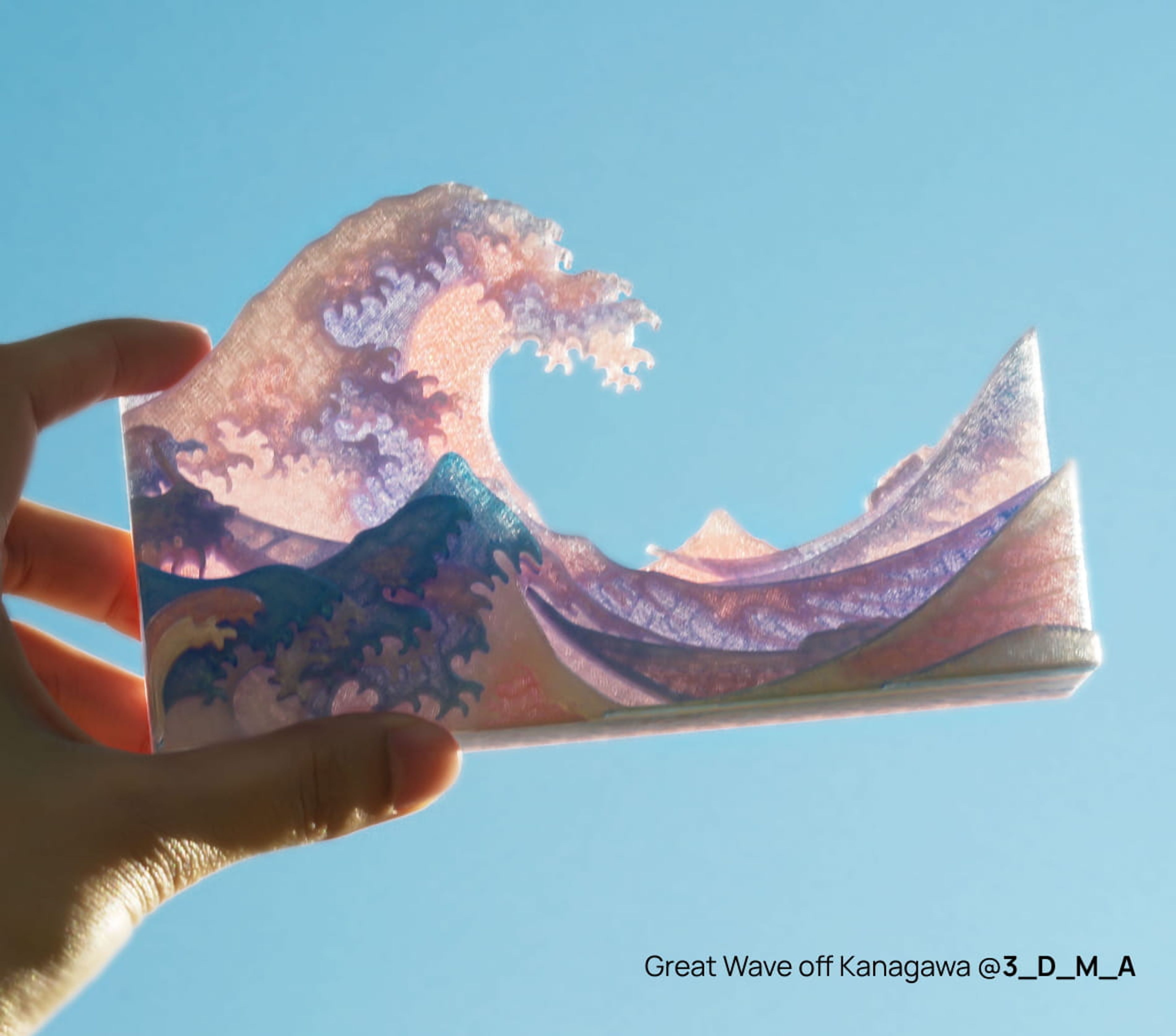
Anything where light goes through it. Put an LED behind a print and it glows - that's the whole trick. Lamp shades and night lights are the obvious ones. Cosplay folk use it for gems and energy cores. Makers use it for light pipes and status windows on project boxes so you can see the LEDs inside. And with December rolling round, it makes properly nice tree decorations and stars. Ruby and Emerald are a pretty obvious pairing there.
It's PETG too, so it handles a hot car or a sunny windowsill far better than PLA would.

The honest bit
It won't print glass clear. Nobody's PETG does on a normal FDM printer. You get a frosted, gem-like look, which honestly is what most people want for glowy stuff anyway.
If you want more light through it, a few things help:
- Use fewer walls and less infill, or go vase mode if the model suits it.
- Bump the nozzle temp up a touch and slow it down a bit so layers fuse better.
- Thinner parts glow more. A 1.2mm shade beats a 4mm block every time.
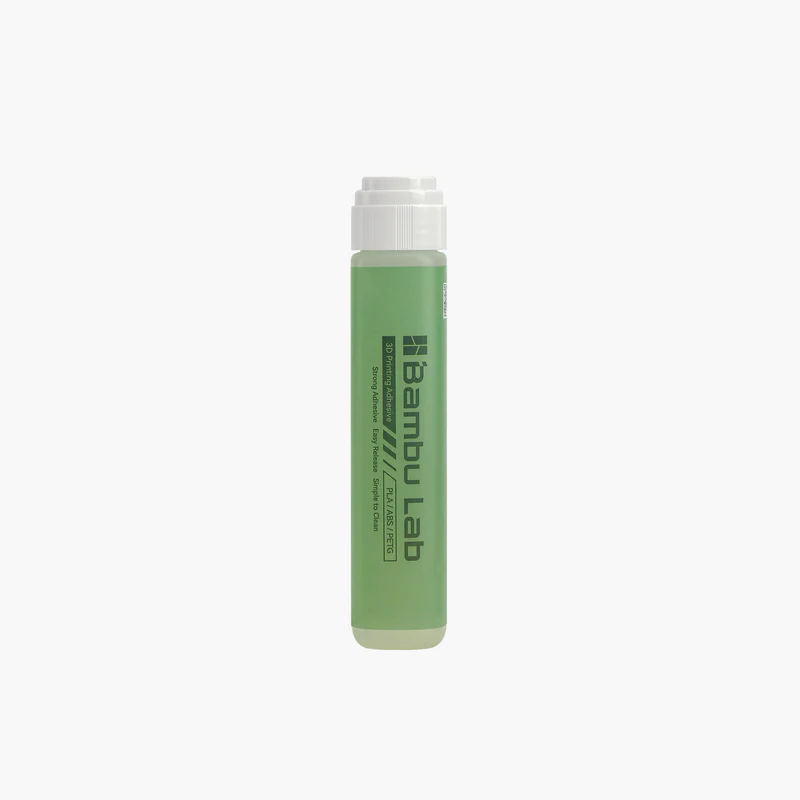
The other catch is the build plate. PETG sticks to smooth PEI like it owes it money, and I've seen it pull chunks out of a plate. Put a thin layer of glue down first and it'll pop off fine. On a textured PEI plate you're usually sorted without.
Stringing can happen too, like any PETG. Dry filament and decent retraction settings fix most of it. If you get stuck, flick us a message and we'll help you dial it in, no dramas.
If you print something cool with it, send us a photo. I'm keen to see what turns up, and we'd love to share a few customer prints down the track.
- Sam
Have a look at the Pixel Filament range